
Knit Fabrics
Knit fabrics are soft, flexible textiles widely used in apparel manufacturing for garments that require comfort, stretch, and movement. Common types include jersey knit, rib knit, interlock, ponte, and stretch knit blends. These fabrics are valued for their breathability, durability, and natural elasticity, making them ideal for T-shirts, activewear, loungewear, dresses, and fitted clothing. Available in a range of weights, textures, and finishes, knit fabrics are a core material for modern fashion production and apparel design.
Browse our full collection of wholesale knit fabrics available in bulk yardage for manufacturers, designers, and apparel production companies.


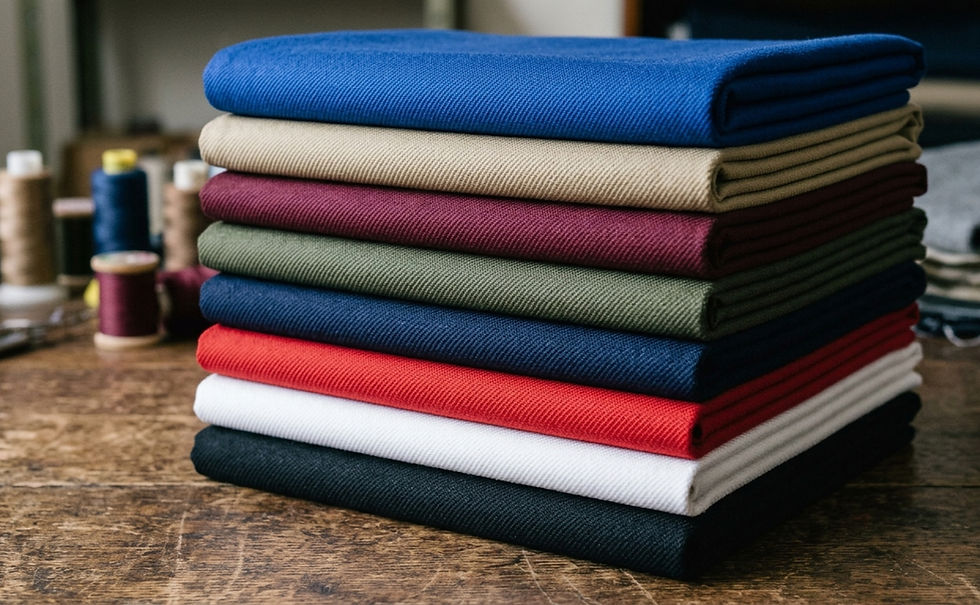


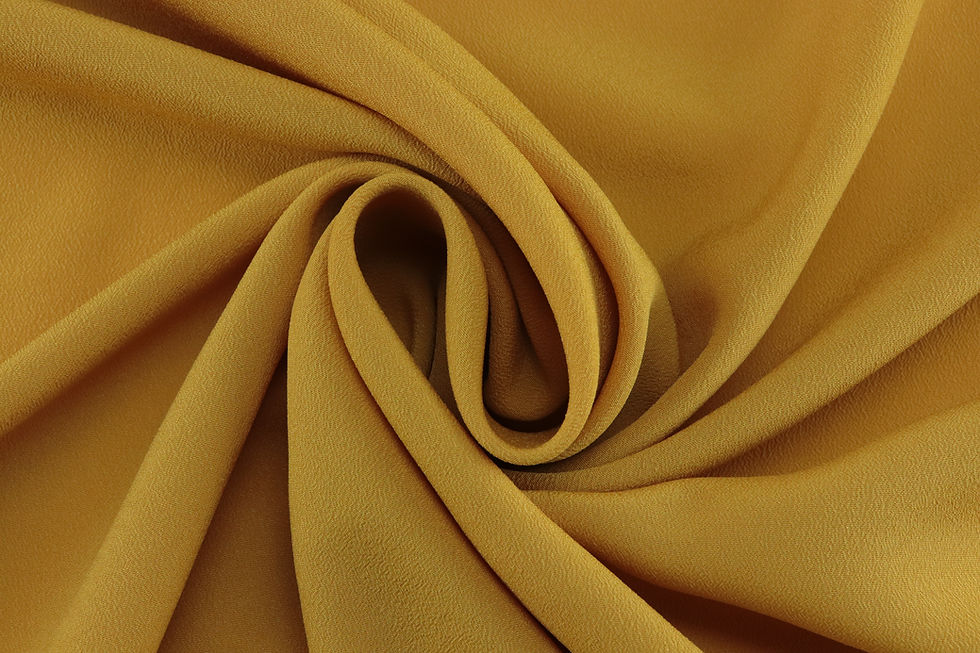


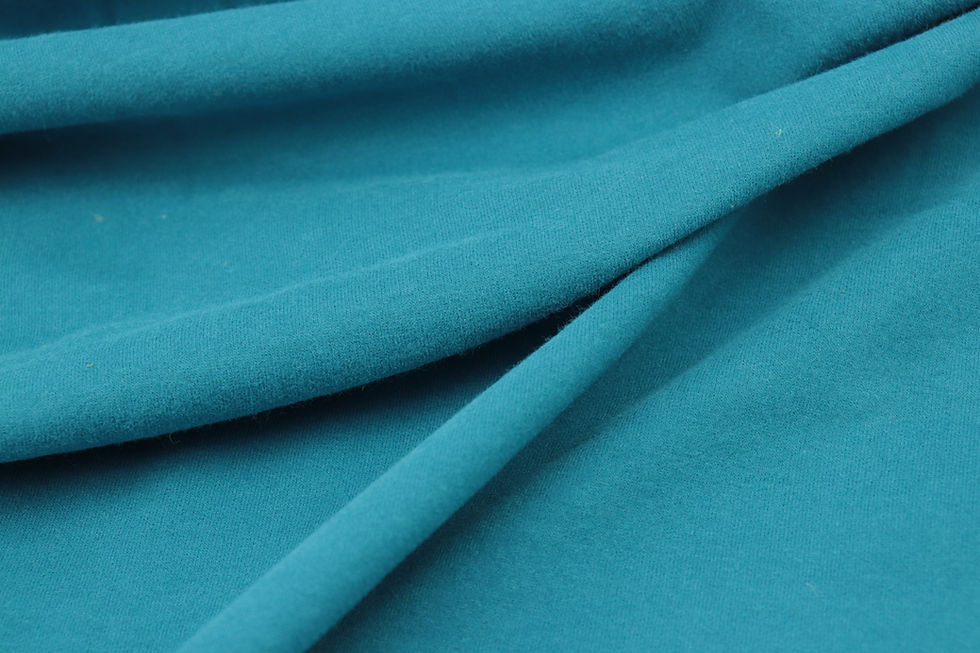


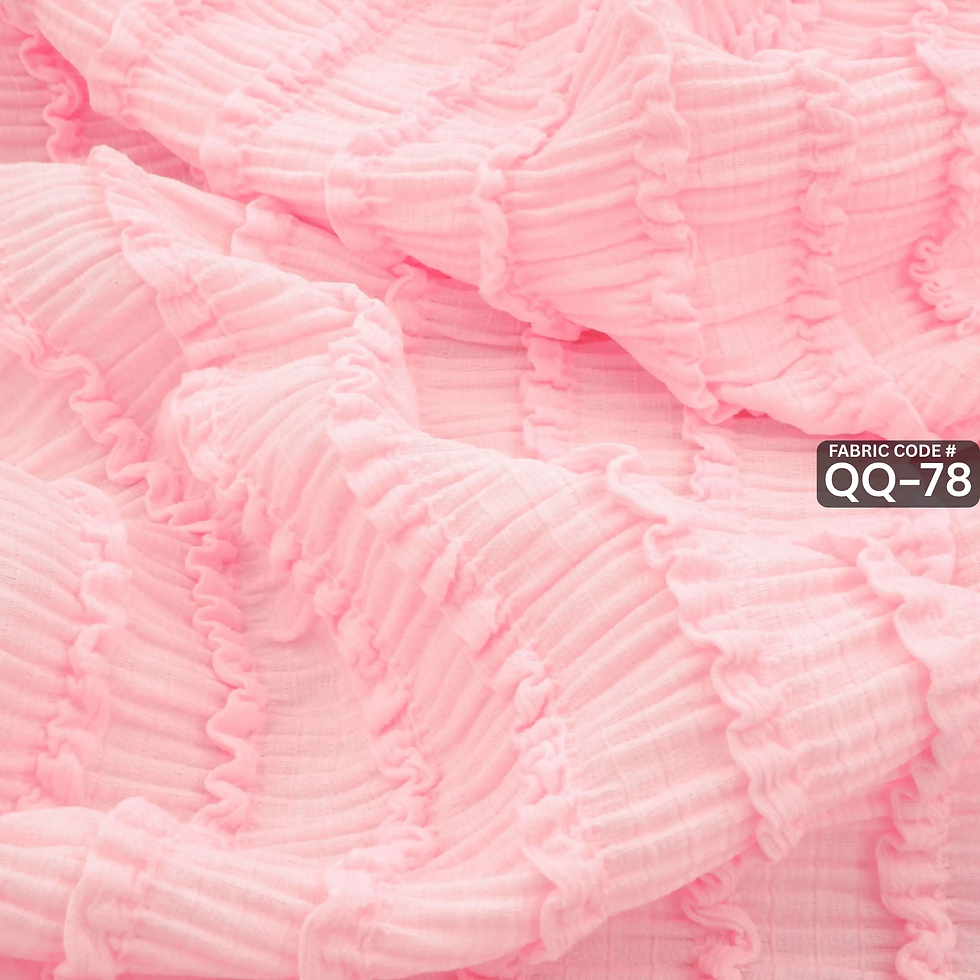


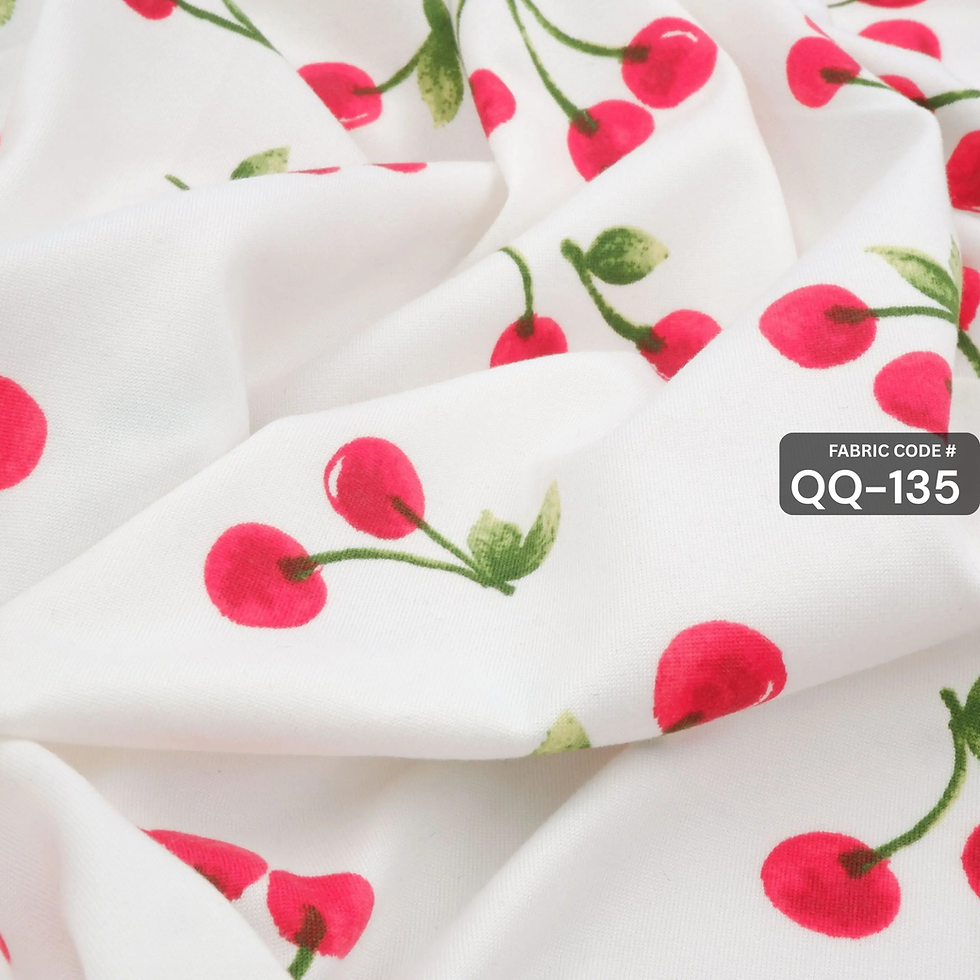


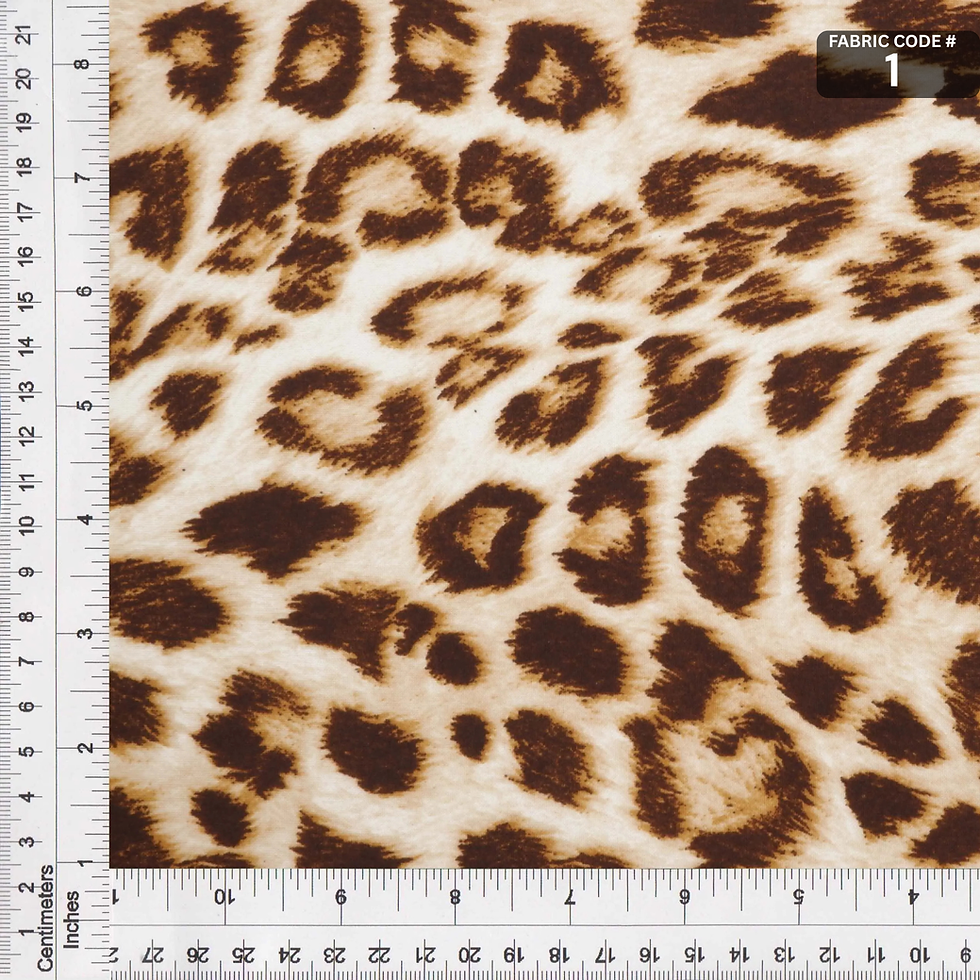


Knit Fabrics
Knit fabrics are versatile textiles widely used in fashion and apparel manufacturing for garments that require comfort, stretch, and flexibility. They are made using looped yarn construction, which gives them natural elasticity, softness, and excellent drape compared to woven fabrics.
Common knit fabric types include jersey knit, rib knit, interlock, ponte, and stretch knit blends. These materials are widely used in T-shirts, activewear, loungewear, dresses, baby clothing, and fitted apparel due to their comfort, breathability, and movement-friendly structure.
At Fabric Base Inc., we supply knit fabrics in bulk yardage for manufacturers, designers, and apparel production companies across the United States.

Shop Knit Fabrics
Browse our wholesale knit fabric collection available for apparel production and textile manufacturing:
-
Jersey Knit Fabric
-
Rib Knit Fabric
-
Interlock Knit Fabric
-
Ponte Knit Fabric
-
Stretch Knit Fabric / Spandex Blends
-
Cotton Knit Fabric
-
Polyester Knit Fabric
Each fabric type is available in bulk quantities for production and wholesale purchasing.

Wholesale Knit Fabric Supplier
Fabric Base Inc. is a wholesale fabric supplier based in Los Angeles serving fashion brands, manufacturers, and textile businesses nationwide.
We maintain large in-stock inventory across multiple warehouses, allowing us to provide consistent quality, reliable supply, and competitive wholesale pricing for production-scale orders.
Our knit fabrics are used by apparel manufacturers for both basic and premium garment production. Samples and bulk pricing are available upon request.

Common Uses of Knit Fabrics
Knit fabrics are widely used across the apparel industry, including:
-
T-shirts and everyday apparel
-
Activewear and performance clothing
-
Loungewear and sleepwear
-
Dresses and fashion garments
-
Children’s and baby clothing
-
Uniforms and workwear
Their flexibility and comfort make them one of the most widely used textile categories in modern fashion.
Benefits of Knit Fabrics
-
Soft and comfortable against the skin
-
Natural stretch and flexibility
-
Excellent drape and movement
-
Breathable depending on fiber content
-
Wrinkle-resistant performance
-
Suitable for both fashion and functional apparel

Types of Knit Fabrics
Jersey Knit Fabric
Lightweight, soft, and flexible fabric commonly used for T-shirts, dresses, and casual apparel.
Rib Knit Fabric
Highly elastic fabric with vertical ribs, ideal for cuffs, neckbands, and fitted garments.
Interlock Knit Fabric
Thicker and more stable knit with a smooth surface on both sides, used for premium apparel and structured garments.
Ponte Knit Fabric
Double-knit fabric with structure and durability, commonly used for pants, dresses, and tailored garments.
French Terry Knit Fabric
Looped-back knit fabric with a smooth exterior, commonly used for sweatshirts and athleisure wear.
Tricot Knit Fabric
Fine warp-knit fabric with a smooth finish, used for lingerie, linings, and swimwear.
Stretch Knit Fabric (Spandex Blends)
Knit fabrics blended with elastane for enhanced stretch and recovery, used in activewear and performance apparel.
Expert Tips for Working with Knit Fabric
-
Use ballpoint or stretch needles when sewing
-
Use zigzag or stretch stitches for flexibility
-
Avoid stretching fabric while cutting or sewing
-
Stabilize seams when needed for structure
-
Pre-wash fabric when shrink control is required
-
Care Instructions
-
Machine wash cold on gentle cycle
-
Wash with similar colors
-
Air dry recommended for best results
-
Tumble dry low if necessary
-
Use low heat when ironing
-
Avoid high heat to preserve stretch and fabric structure

Frequently Asked Questions
What is knit fabric used for?
Knit fabric is used for T-shirts, dresses, activewear, loungewear, and fitted garments due to its stretch, softness, and comfort.
What are the main types of knit fabric?
Common types include jersey, rib, interlock, ponte, tricot, and stretch knit fabrics.
Is knit fabric stretchy?
Yes, knit fabric naturally stretches due to its looped construction, and stretch can be increased with spandex blends.
What is the difference between knit and woven fabric?
Knit fabric is made of loops and stretches easily, while woven fabric is interlaced and more structured.
Does knit fabric shrink?
Some knit fabrics may shrink depending on fiber content, but most modern blends are stabilized for production use.

⭐ Customer Reviews – Knit Fabrics
“Consistent quality across every order. We use their jersey knit fabric for T-shirts and production has been very smooth with no dye or shrink issues.”
— Daniel, Apparel Manufacturer
“Their rib knit and interlock fabrics are reliable and stable for bulk production. We’ve been ordering for multiple collections and quality stays consistent.”
— Melissa, Fashion Production Manager
“Great stretch knit selection for activewear. The spandex blends hold up well in cutting and sewing and perform well after wash testing.”
— Jason, Activewear Manufacturer
“Fast turnaround and always in-stock on key knit fabrics. The ponte knit is especially good for structured garments and dresses.”
— Rachel, Garment Studio Owner
“We source wholesale knit fabrics regularly and Fabric Base has been one of the most dependable suppliers in terms of quality and availability.”
— Andrew, Textile Buyer

Wholesale Knit Fabric Supplier – Los Angeles
Fabric Base Inc. is a wholesale knit fabric supplier based in Los Angeles serving fashion brands, apparel manufacturers, and textile production facilities across the United States. We stock a wide range of knit fabrics in bulk yardage including jersey, rib, interlock, ponte, and stretch knit fabrics with consistent quality and reliable availability.
Our inventory is maintained across multiple warehouses to support fast fulfillment and production-scale orders for both small and large manufacturing needs.
Why Choose Fabric Base Inc.
-
Established wholesale fabric supplier since 1988
-
Large in-stock inventory across multiple warehouses
-
Consistent dye lots and production quality
-
Bulk yardage available for manufacturers and brands
-
Fast nationwide fulfillment
-
Trusted by fashion and textile professionals
📞 (213) 745-7688
📞 (213) 745-7918
✉ info@fabricbases.com
🌐 www.fabricbases.com
